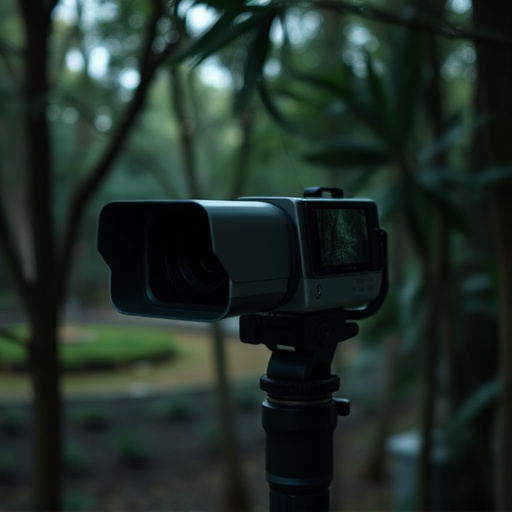
In a world where hidden cameras pose a significant threat, understanding realistic security camera mounting angles is key to effective surveillance countermeasures. By simulating corners, behind furniture, and false fixtures, advanced scanning technologies detect anomalous electromagnetic signatures. Combining RF detection, IR imaging, and algorithms, these non-intrusive methods uncover hidden devices while preserving privacy. Regular environmental analysis, strategic camera placement at realistic angles, and adjustments based on activity patterns ensure a robust security system against covert recording devices.
Uncovering hidden recording devices has become a critical aspect of modern security. This article delves into innovative scanning methods designed to detect clandestine surveillance equipment, focusing on understanding unique signal patterns and advanced techniques. By exploring realistic security camera mounting angles, we uncover blind spots often exploited by hidden cameras. Learn how to navigate the intricate landscape of hidden device detection, ensuring your environment remains secure from unsanctioned monitoring.
- Understanding Hidden Recording Device Signal Scanning
- Realistic Security Camera Mounting Angles for Effective Detection
- Advanced Techniques to Uncover Disguised Surveillance Equipment
Understanding Hidden Recording Device Signal Scanning
Hidden recording devices can be strategically placed in various environments, making it crucial to employ advanced scanning methods to detect their signals effectively. One key aspect is understanding the realistic security camera mounting angles and positions that these devices might adopt. By simulating common placement points—such as ceiling corners, behind furniture, or inside false light fixtures—scanning technologies can identify anomalous electromagnetic signatures or digital patterns indicative of hidden cameras.
Signal scanning techniques leverage a combination of radio frequency (RF) detection, infrared (IR) imaging, and advanced algorithms to penetrate potential obstacles and uncover hidden devices. These methods are designed to be non-intrusive, preserving privacy while ensuring comprehensive security assessments. Realistic security camera mounting angles play a significant role in shaping the effectiveness of these scanning procedures, highlighting the importance of thorough environmental analysis before deploying any countermeasure.
Realistic Security Camera Mounting Angles for Effective Detection
In designing a comprehensive security system, the strategic placement of cameras is paramount. Realistic Security Camera Mounting Angles play a crucial role in ensuring effective detection and prevention of hidden recording devices. Typically, cameras should be mounted at angles that offer clear, unobstructed views of potential hiding spots—a task facilitated by understanding human behavior and common hiding places. For instance, mounting them at eye level or slightly below can capture areas where individuals might conceal recording devices, such as pockets, bags, or behind objects.
Moreover, a 360-degree coverage approach, where cameras are positioned to overlap fields of view, creates a labyrinthine network that makes it difficult for hidden recorders to stay undetected. In high-traffic areas, the hustle and bustle can also aid in detection; however, less dynamic zones like corners or alcoves require careful aiming to prevent blind spots. Regularly reviewing and adjusting camera angles based on activity patterns and results from signal scanning methods is essential to maintaining an effective security system.
Advanced Techniques to Uncover Disguised Surveillance Equipment
In the ever-evolving landscape of surveillance technology, staying ahead of hidden recording devices requires sophisticated detection methods. One advanced approach involves scrutinizing realistic security camera mounting angles. By simulating typical installation practices, experts can identify unusual attachments or off-center positions that might indicate covert cameras. This technique leverages human intuition, trained to recognize normal equipment placement, to uncover potential threats.
Additionally, utilizing specialized scanning tools that employ infrared and radio frequency technologies further enhances detection capabilities. These instruments can penetrate visual obstructions and detect heat signatures or electromagnetic emissions characteristic of hidden recording devices. Combining these advanced techniques with regular security audits provides a robust defense against disguised surveillance equipment, ensuring privacy and security in both public and private spaces.
Hidden recording devices pose a significant threat to privacy, but with advanced scanning methods and realistic security camera mounting angles, detection has become more feasible. By understanding the signals these devices emit and employing sophisticated techniques, security professionals can uncover even disguised surveillance equipment. Optimizing camera placement at practical angles ensures comprehensive coverage, making it easier to identify and neutralize hidden threats in both residential and commercial settings.